
The Old Town of Dubrovnik is one of those rare places where history, architecture, and natural beauty come together in a way that genuinely takes your breath away. A UNESCO World Heritage Site since 1979, it is home to some of the most impressive medieval monuments in Europe, all packed into a remarkably compact area. Whether you have one day or a full week, these are the sights in Dubrovnik that you simply cannot miss.
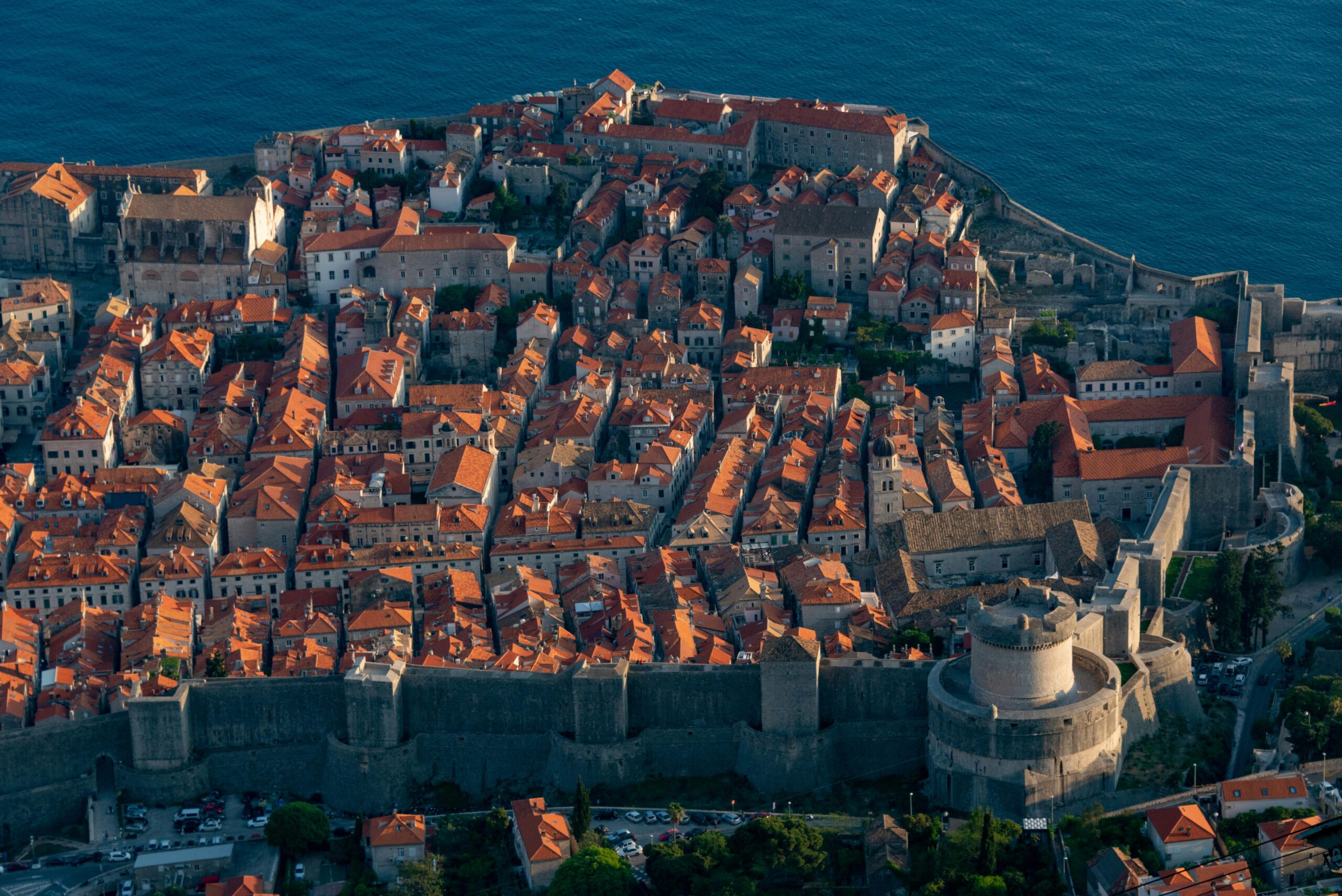
No visit to Dubrovnik is complete without walking the famous City Walls. Built between the 13th and 17th centuries, these extraordinary fortifications encircle the entire Old Town and stretch for nearly two kilometres, rising up to 25 metres high in places. Walking the full circuit takes around 90 minutes at a relaxed pace and offers some of the most spectacular views in all of Croatia.
From the top of the walls you look out in two directions at once - over the terracotta rooftops and church towers of the Old Town on one side, and over the deep blue Adriatic and the outline of Lokrum Island on the other. The highest point is the Minceta Tower on the northern side, which featured in Game of Thrones as the House of the Undying.
Go early in the morning to avoid the crowds and the midday heat. Bring water, sunscreen, and a camera - you will use all three.
Just inside the Pile Gate, the main western entrance to the Old Town, the Franciscan Monastery is one of the most beautiful and historically significant buildings in Dubrovnik. Founded in the 14th century, it is built around a stunning Romanesque-Gothic cloister that alone is worth the entrance fee.
Inside the monastery complex is one of the oldest functioning pharmacies in Europe, established in 1317 and still operating today. The small museum attached to the monastery contains ancient manuscripts, religious artefacts, and a fascinating collection of pharmacy equipment dating back centuries. It is a quiet, peaceful place that offers a genuine sense of how long Dubrovnik has been a functioning, sophisticated city.

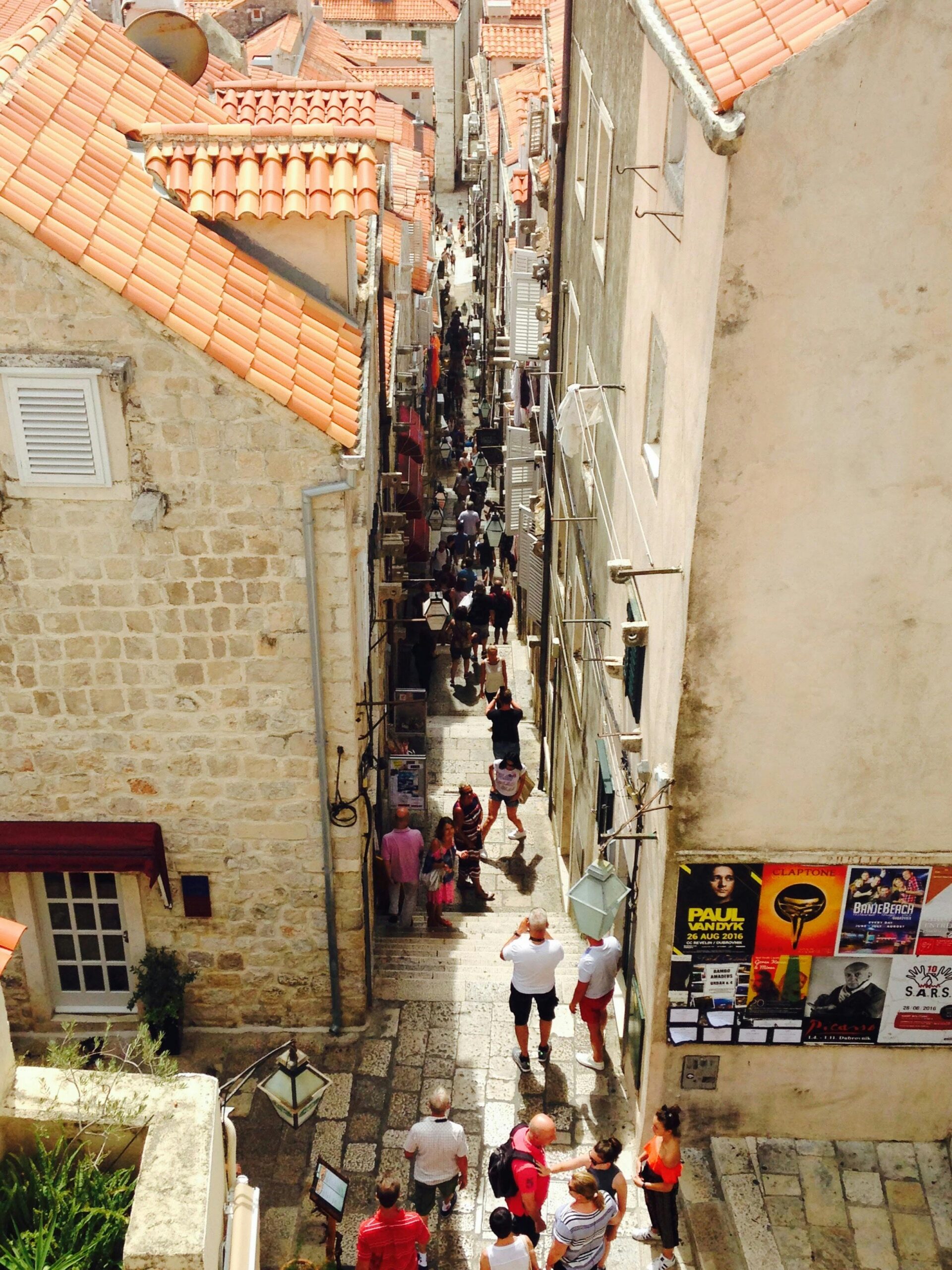
Stradun, also known as Placa, is the main street of Dubrovnik's Old Town and one of the most beautiful promenades in Europe. Stretching 300 metres from the Pile Gate in the west to the Old Port in the east, it is paved with smooth limestone that has been polished to a shine by centuries of foot traffic.
The street is lined with elegant Baroque buildings, most of which were rebuilt after the great earthquake of 1667. Today they house cafes, shops, and restaurants at street level, while the upper floors retain their original stone facades. In the early morning, before the day-trippers arrive, Stradun has a calm, almost magical quality. In the evening, it fills with life and becomes the social centre of the city.
Standing in the heart of the Old Town, the Cathedral of the Assumption of the Virgin Mary is a Baroque masterpiece that dates from the early 18th century. It was built on the site of an earlier Romanesque cathedral that was destroyed in the 1667 earthquake, and its bright, airy interior is a striking contrast to the heavy stone exterior.
The cathedral treasury is particularly worth visiting. It contains a remarkable collection of relics and sacred art, including a gold and silver reliquary of the skull of Saint Blaise, the patron saint of Dubrovnik, as well as works attributed to Titian and other Italian masters.
Just a short boat ride from the Old Port, Lokrum Island is technically outside the city walls but it is very much part of the Dubrovnik experience. A protected nature reserve, the island is home to a ruined Benedictine monastery, a botanical garden, a saltwater lake known as the Dead Sea, and a thriving colony of peacocks that roam freely across the island.
Lokrum was also used as a filming location for Game of Thrones, appearing in several scenes set in the city of Qarth. For those who want to experience the Adriatic from the water, a private boat trip to Lokrum with Dubrovnik Boat Club is a memorable way to arrive. Read our full Lokrum day trip guide for everything you need to know.

Two full days is enough to visit all the major landmarks at a relaxed pace. A third day gives you time for a boat trip to Lokrum or the Elaphiti Islands.
It is a moderate walk with some steep sections and uneven surfaces. It is not suitable for wheelchairs or pushchairs. In summer the heat on the walls can be intense, so start early and bring water.
The City Walls are the most iconic and offer the most spectacular views. The Franciscan Monastery and its old pharmacy are the most historically fascinating. Both are essential.


